

Blog
Top Free Web 2.0 Sites for Backlinks (High DA + DoFollow List 2025)
Looking for free, high-DA Web 2.0 sites for backlinks? Here’s an updated 2025 list of DoFollow Web 2.0 platforms you can use to build links, diversify your SEO strategy, and boost rankings.

Raphaël Larouche
Updated 14 min read
Looking for free backlinks?
Whether you’re a freelancer or run an SEO agency, Web 2.0s still work in 2025… if you use them the right way.
The problem?
Most lists out there are outdated, spammy, or full of sites that don’t even work anymore.
That’s why I put together this fresh, updated list of high-DA, DoFollow Web 2.0 sites you can use right now to boost your SEO.
In this guide, you’ll learn:
- What Web 2.0 backlinks are (and why they still matter).
- The right way to build them (without leaving a footprint).
- Pro tips to get them indexed faster.
- And of course… a curated 2025 list of Web 2.0 sites with high authority.
Let’s dive in.
What Are Web 2.0 Sites?
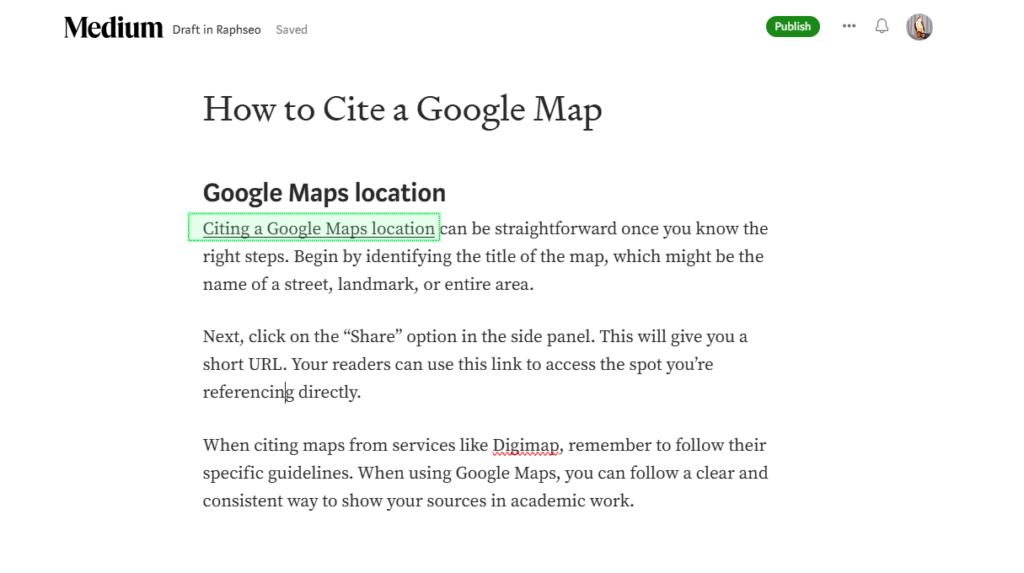
Web 2.0 sites are free platforms where anyone can create and publish content, think WordPress.com, Blogger, or Medium.
The key difference from a “normal” website?
You don’t need to buy a domain or hosting. You just sign up, create a subdomain (like yourbrand.wordpress.com), and start publishing.
Here’s why SEOs care:
Every piece of content you publish on these platforms can include links back to your site. Since many Web 2.0s have high domain authority (DA 80+), these backlinks can help:
- Diversify your link profile.
- Pass authority (“link juice”) to your site.
- Rank supporting pages faster.
In other words: Web 2.0s = free, controllable, and still useful in 2025… if you don’t abuse them.
Do Web 2.0 Backlinks Still Work in 2025?
Short answer: yes.
But here’s the catch, Web 2.0 backlinks aren’t the SEO magic trick they were a decade ago. Back then, you could spin up dozens of free blogs, drop links, and rank overnight. Today, that same approach looks spammy and can hurt more than it helps.
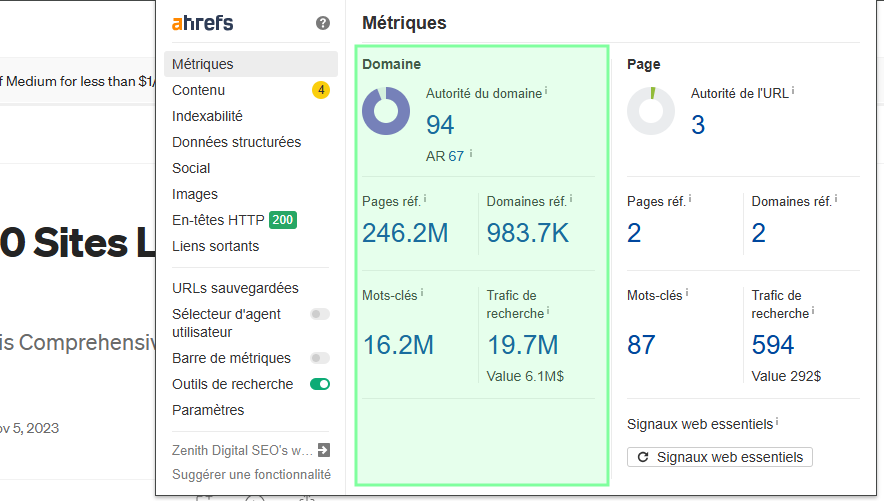
So why do SEOs still use them in 2025? Because Web 2.0s bring something valuable to the table: they diversify your backlink profile, they’re hosted on domains with strong authority, and you stay in full control of the content and links you publish.
In other words, they still work, but only as part of a bigger picture. Think of them as supporting links that add trust and stability to your backlink profile, not the main ranking engine.
What Are Web 2.0 Backlinks and How Do They Work?
Web 2.0 backlinks are links you create from free blogging platforms such as WordPress.com, Blogger, Tumblr, Weebly, or Medium. Each of these platforms lets you build a mini website (a Web 2.0 property) where you can publish unique content and include links pointing back to your main site.
The concept is simple: every Web 2.0 acts like a satellite site that transfers part of its domain authority (DA) and trust flow to your money site. Because these platforms already have strong metrics and high-authority root domains, a few well-optimized posts with contextual DoFollow links can help boost your organic rankings faster than low-quality directories or spammy comments.
In SEO terms, Web 2.0 backlinks work as part of a Tier 1 or Tier 2 link-building strategy — feeding power into your main pages while keeping your backlink profile diverse and natural. When built correctly with unique content, branded anchors, and interlinking, Web 2.0s can become long-term authority assets that continuously strengthen your site’s position on Google.
Benefits & Risks of Web 2.0 Links
Web 2.0s come with both upside and downside.
On the benefit side, they’re free, flexible, and hosted on domains that already have strong authority. That makes them an easy way to diversify your backlink profile and point a bit of extra link juice toward your site. You also stay in full control, you can update anchors, add new links, or expand content anytime.
But there are risks too. Abuse them with spun content or obvious link schemes, and Google will see them as spam. Overusing exact-match anchors or creating a “footprint” across multiple Web 2.0s is another easy way to trigger red flags.
Bottom line: use Web 2.0s as a supporting tactic, not your entire link-building strategy. Treated like seasoning, they can help. Treated like the main dish, they’ll hold you back.
Importance of Web 2.0 Sites in Modern SEO
Even in 2025, Web 2.0 sites still play a powerful role in building a strong, diverse backlink profile. They help create contextual backlinks from high-authority domains, which signal trust and relevance to Google’s algorithm. Used correctly, these free blogging platforms remain one of the most cost-effective ways to strengthen your website’s domain authority (DA) and improve keyword visibility.
Unlike automated link drops or spam comments, Web 2.0 backlinks allow you to control your content, anchor text, and link placement. That means you can build genuine topical relevance around your target keywords while keeping your backlink strategy safe and natural.
They also fit perfectly into Tier 2 link-building strategies, powering up guest posts, niche edits, or business citations you already have. When your Web 2.0 blogs are interlinked, regularly updated, and indexed, they create a mini network of brand mentions and authority signals that reinforce your site’s E-E-A-T in Google’s eyes.
In short, Web 2.0s aren’t “dead.” They’ve evolved. When treated like real websites with quality content and smart internal linking, they’re still a cornerstone of modern off-page SEO.
How to Create Effective Web 2.0 Backlinks
Most people mess this up. They create a half-baked WordPress blog, paste a few lines of text, and drop three exact-match anchors. Google sees it, ignores it, and you wasted your time.
If you want Web 2.0 backlinks that actually move the needle, here’s what works in 2025:
1. Treat it like a mini-site.
Don’t publish a thin 200-word post. Aim for at least 500–1,000 words of unique content. Add images, headings, and even internal links. The more it looks like a real blog, the more trust it gets.
2. Keep your anchors natural.
Mix up your anchor text. Use branded terms, naked URLs, and long-tail variations. Save the exact-match anchor for the occasional, high-quality Web 2.0 that has real content depth.
3. Add authority links.
Link out to a couple of high-authority sources (think Wikipedia, HubSpot, or an industry site). It makes your page look way less like a “link dump.”
4. Interlink your Web 2.0s.
This is where most people miss out. Link one Web 2.0 to another, then to your money site. That creates a small tiered link network that gets crawled more often.
5. Stay consistent.
A single Web 2.0 isn’t going to change your rankings. But if you build a handful of quality Web 2.0s with real content, you’ll notice they help pages index faster and strengthen your backlink profile over time.
Bottom line: build Web 2.0 backlinks like you’re building a small portfolio of real websites. That’s the difference between a throwaway link and one that actually helps you rank.
Pro Tips to Avoid Spam & Footprints
Here’s the truth: Google’s spam team has seen every lazy Web 2.0 trick in the book. If you leave obvious footprints, your links won’t last.
Here’s how to keep things clean:
Don’t clone the same content.
Spinning one article across 10 Web 2.0s is the fastest way to get flagged. Write unique posts, or at least change structure, examples, and formatting so each looks original.
Vary everything.
Mix up usernames, site titles, themes, and even writing styles. If every Web 2.0 looks like it came from the same template, it’s a footprint.
Diversify anchors.
Too many exact-match anchors = 🚩. Use branded terms, naked URLs, and contextual phrases to keep it natural.
Add “filler” content.
Post more than just backlink articles. Drop in an about page, maybe a contact page, or even a random blog-style post with no links. It makes the site look alive.
Spread them out.
Don’t build 20 Web 2.0s in a day and link them all to the same page. Pace it out like a real person publishing over weeks or months.
Think of it this way: if your Web 2.0s look like real, messy blogs run by different people, they’ll survive. If they look like cookie-cutter link farms, they won’t.
How to Get Your Web 2.0 Backlinks Indexed Faster
Here’s the deal: if Google doesn’t index your Web 2.0s, your backlinks don’t exist.
And this is where most people fail. They build the site, drop a link, and wait. But without signals, Googlebot might not crawl it for weeks… if at all.
Here’s how to speed things up:
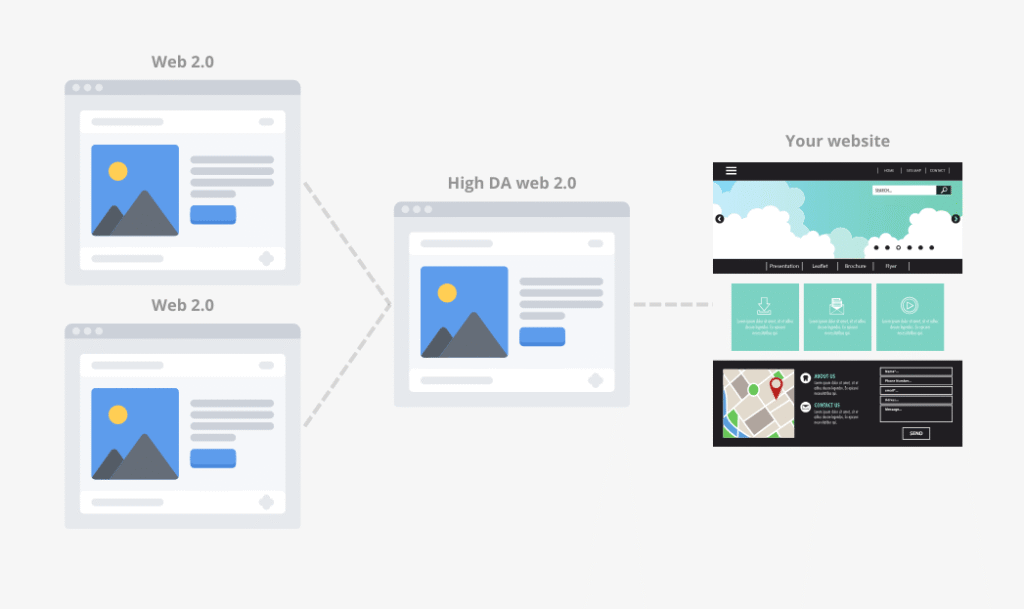
1. Link your Web 2.0s together.
Create a mini “ring” by connecting one Web 2.0 to another. Then link out to your main site and a few authority sites. That cross-linking pulls in crawlers.
2. Add social signals.
Tweet the link. Drop it on Reddit. Share it in a Facebook group. Google crawls social platforms constantly so this gets your page discovered faster.
3. Use embeds.
Add a YouTube video, a Google Map, or even a Tweet embed. These elements force Google to crawl the page more often.
4. Give it fresh content.
Don’t stop at one post. Add another short update or two. Active blogs = more crawls. Dead sites = ignored.
5. Push with indexing tools (optional).
Services like linksindexing.com or Omega Indexer can help if you’re impatient. Use them in moderation, don’t blast hundreds of URLs at once.
Bottom line: if you want Web 2.0 backlinks to count, you need to treat them like real websites. Feed them links, content, and signals, and they’ll get indexed way faster.
Strategy: Where Web 2.0 Fits in SEO
Here’s the mistake most beginners make: they treat Web 2.0s like the foundation of their backlink strategy.
Big mistake.
Web 2.0s should never be your main source of links. Instead, they work best as supporting players.
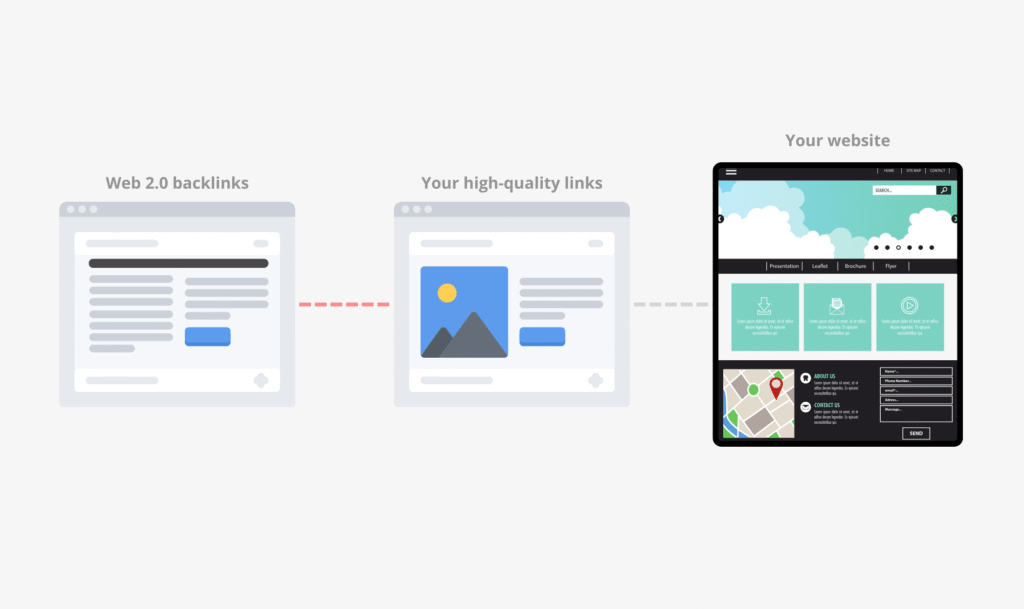
Here’s how to think about it:
- Tier 1: Your high-quality links → guest posts, niche edits, HARO, citations.
- Tier 2: Web 2.0 backlinks pointing to those Tier 1 links (to give them extra authority).
- Tier 3: Social shares and signals to keep the whole structure indexed.
That’s the real power of Web 2.0s: they make your stronger links even stronger.
Can you point them directly at your money pages? Sure. But they’ll have way more impact when used to support the links that actually move rankings. Think of Web 2.0s as link boosters, not the main engine.
Web 2.0 Submission Sites List Categories
Not all Web 2.0 submission sites are created equal. Some offer stronger domain authority (DA) and better indexation rates, while others are perfect for building Tier 2 backlinks and brand mentions. To make it simple, we’ve grouped the best Web 2.0 platforms into three main categories so you can build links more strategically and diversify your backlink profile.
1️⃣ Top 15+ Dofollow Web 2.0 Blogging Sites
These are the most trusted, high-DA blogging platforms like WordPress.com, Blogger, Weebly, and Medium. They’re ideal for creating Tier 1 backlinks with original content that links directly to your main site. These platforms have massive authority and pass strong link equity when used properly.
2️⃣ 30+ High DA PA Web 2.0 Submission Sites (2025 Updated)
This section covers additional free Web 2.0 submission sites that offer DoFollow links, stable uptime, and active indexing. Perfect for building secondary backlinks or powering up your existing guest posts, citations, or niche edits.
3️⃣ Micro Blog Submission Sites for SEO
Micro-blogging platforms like Tumblr, LiveJournal, or Jimdo are ideal for Tier 2 and Tier 3 links. They allow fast content publication, frequent updates, and safe anchor diversification — helping your main backlinks gain faster trust and visibility.
Each category in this list has been verified and updated for 2025, so you can skip the dead links and go straight to the most effective free Web 2.0 platforms still delivering results in modern SEO.
Free High-DA DoFollow Web 2.0 Sites List (2025 Updated)
Okay, time for the part you came here for.
Most “Web 2.0 lists” floating around are outdated. Half the sites are dead, and the rest don’t even allow DoFollow links anymore.
That’s why I put together this fresh 2025 list of free, high-DA Web 2.0 sites that actually still work.
Here it is:
| Web 2.0 Site | Domain Authority (DA) | DoFollow Links | Notes |
| WordPress.com | 92 | ✅ | Classic, flexible platform |
| Blogger.com | 93 | ✅ | Google-owned = fast index |
| Medium.com | 95 | ✅ | My favorite |
| Tumblr.com | 88 | ✅ | Mix of text + visuals |
| Weebly.com | 90 | ✅ | User-friendly builder |
| Wix.com | 91 | ✅ | Free subdomain option |
| Jimdo.com | 87 | ✅ | Simple, quick setup |
| LiveJournal.com | 82 | ✅ | Old-school but still alive |
| Strikingly.com | 80 | ✅ | Perfect for one-pagers |
| HubPages.com | 77 | ✅ | Community-driven platform |
| Site123.com | 85 | ✅ | Easy to launch |
| Webnode.com | 82 | ✅ | SEO-friendly setup |
| Yola.com | 76 | ✅ | Beginner-friendly |
| Over-Blog.com | 73 | ✅ | Popular in French markets |
| Zohosites.com | 84 | ✅ | Part of Zoho ecosystem |
Importance of Web 2.0 Blogging Sites for SEO 2025
In 2025, Web 2.0 blogging sites continue to be one of the most powerful and accessible tools for building high-quality backlinks and improving off-page SEO. These free platforms — like WordPress.com, Medium, Weebly, and Wix — allow you to create authority mini-sites that boost your visibility, brand mentions, and overall ranking power.
When used strategically, Web 2.0 blogs can help diversify your link profile, strengthen your tiered link structure, and pass contextual authority to your main pages. They’re a safe, long-term way to build DoFollow backlinks while maintaining a natural footprint that Google actually trusts.
Strengthening Domain Authority (DA) and Brand Signals
Each Web 2.0 property acts as a satellite site that reinforces your main domain. By publishing optimized articles on different blogging platforms, you create multiple branded mentions and anchor variations pointing to your target URLs. This improves your E-E-A-T, sends positive trust signals, and builds domain authority over time.
Supporting Tiered Link Building Strategies
Web 2.0 blogs are also key for Tier 2 and Tier 3 link-building. You can use them to power up your guest posts, citations, or niche edits by linking to those backlinks instead of directly to your money pages. This approach passes link juice safely, improves indexation, and keeps your strategy looking organic while still delivering measurable ranking gains.
Why Web 2.0s Still Matter in 2025
Despite algorithm changes, Web 2.0 blogging sites remain effective because they’re user-generated, content-driven, and authority-based. Google continues to value content published on trusted domains, especially when it’s relevant, unique, and updated. When done right, Web 2.0 SEO isn’t a “shortcut” — it’s a scalable foundation for sustainable ranking growth.
Micro Blog Submission Sites List for High DA Backlinks
Micro blog submission sites are smaller, faster platforms that let you publish short-form posts and link back to your website — perfect for generating high-DA backlinks and boosting your tiered link-building structure.
Unlike traditional blogs that require long articles, micro blogs focus on quick, frequent posts that help Google discover and index your brand across multiple trusted domains.
These sites are ideal for Tier 2 or Tier 3 SEO because they’re easy to scale, safe to automate, and still pass valuable link equity when properly interlinked with your Web 2.0s or guest posts.
How Micro Blogging Helps SEO
Every micro blog you create becomes an indexable page hosted on a high-authority domain like Tumblr, LiveJournal, or Jimdo. When these pages contain contextual links and branded anchors, they help strengthen your off-page SEO by sending consistent signals of activity, relevance, and trust to Google.
Micro blogging also helps diversify your backlink footprint, mixing shorter posts, image embeds, and contextual mentions — making your profile look natural and algorithm-proof.
Top Micro Blog Submission Sites (2025 Updated)
Below are some of the most active and authoritative micro blog platforms you can use right now to build free, DoFollow backlinks:
- Tumblr.com – DA 95 – Classic micro-blogging site with massive reach.
- LiveJournal.com – DA 92 – Great for short entries and contextual links.
- Jimdo.com – DA 88 – Simple micro-site builder with strong indexation.
- Webnode.com – DA 89 – Clean interface for quick branded pages.
- Pen.io – DA 82 – Ultra-fast mini-page creation, perfect for Tier 2.
- Postach.io – DA 80 – Integrates with Evernote for automatic posting.
(✅ All platforms verified and active as of 2025. Use unique content, natural anchors, and link back to your main Web 2.0s for the best results.)
Interesting Facts About Web 2.0 Platforms and SEO
Even though Web 2.0 platforms have been around for over a decade, they’re still a hidden weapon in modern SEO strategies. Here are some quick facts that most marketers overlook when using Web 2.0s for backlinks:
- 1️⃣ Google still crawls and indexes Web 2.0 domains faster than most new websites — because they sit on trusted, high-DA infrastructure (WordPress.com, Tumblr, Medium, etc.).
- 2️⃣ A single Web 2.0 with strong internal linking can pass more link equity than ten random low-quality backlinks. Authority comes from relevance and content depth, not volume.
- 3️⃣ Interlinking your Web 2.0s boosts indexation by up to 40%, especially when each site includes a mix of contextual text, outbound links, and media embeds.
- 4️⃣ Google treats active Web 2.0 blogs as “mini brand entities.” When you use consistent naming, about pages, and logos, you reinforce E-E-A-T and topical authority.
- 5️⃣ Tiered linking with Web 2.0s remains one of the safest ways to push power to your main backlinks without triggering over-optimization penalties.
Used properly, Web 2.0 SEO is more than just free links — it’s an authority-building strategy that compounds over time. Combine it with social signals and niche edits, and you’ll have a perfectly balanced off-page profile ready to dominate in 2025.
FAQs About Web 2.0 Sites and Backlinks
Do Web 2.0 backlinks still work in 2025?
Yes — when they’re built with unique, relevant content and natural anchor text. Google still values contextual links from trusted, high-DA Web 2.0 platforms like WordPress.com or Medium, especially when they fit into a diversified off-page SEO strategy.
How many Web 2.0 sites should I create?
Quality beats quantity. Start with 5 to 10 well-built Web 2.0 blogs containing original articles, images, and outbound links. Once they’re indexed and established, scale gradually while keeping your content fresh and branded.
Are Web 2.0 links safe for money sites?
Yes, if you follow white-hat practices: use relevant topics, avoid duplicate content, and link naturally. Never spam anchors or automate posts. Treat each Web 2.0 as a real mini-site to keep your profile clean and penalty-free.
How can I get my Web 2.0 backlinks indexed faster?
Ping your new Web 2.0 URLs, share them on social media, or interlink them with existing Web 2.0 properties. Embedding videos and images also increases crawl frequency and speeds up indexation.
What’s the best way to use Web 2.0 sites for Tier 2 link building?
Use your Web 2.0 blogs to link to guest posts, citations, or niche edits that already point to your main site. This Tier 2 strategy strengthens your backlinks’ authority, improves link juice flow, and keeps your SEO footprint natural.
Final Thoughts on Using Web 2.0s for SEO
Web 2.0 backlinks aren’t the secret weapon they used to be. You can’t throw up a few free blogs and expect page-one rankings.
But here’s the thing: when you build them right: unique content, natural anchors, proper indexing, they still have a place in your SEO toolkit.
Think of Web 2.0s as supporting links. They’re not going to outrank competitors on their own, but they’ll diversify your profile, power up your tier-1 links, and make your backlink strategy look more natural.
Bottom line: use them as a supplement, not the foundation. And if you follow the steps in this guide, your Web 2.0 backlinks will actually move the needle in 2025.